“In a world myriad as ours, the gaze is a singular act: to look at something is to fill your whole life with it, if only briefly.” — Ocean Vuong
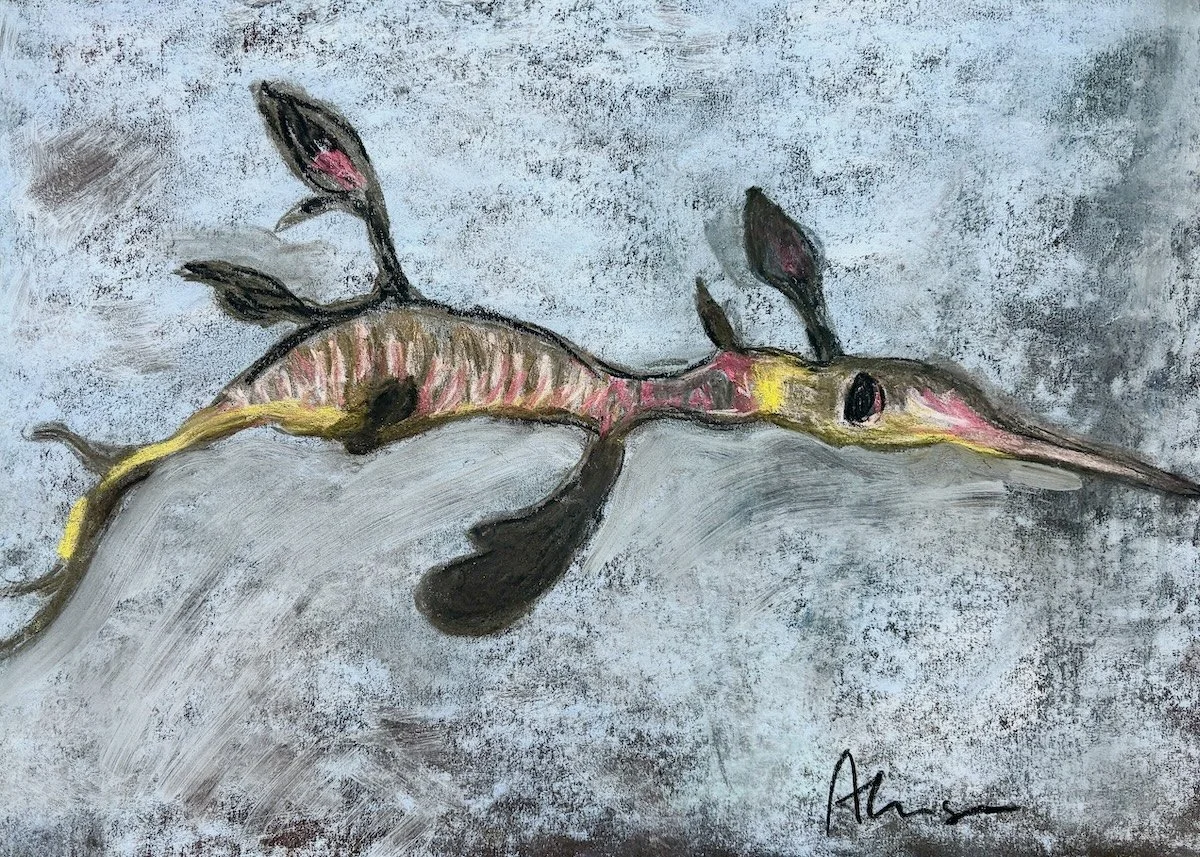
Dragon of the Deep. Soft Pastel on Paper.
Encounters with what we each find beautiful can shift our mental and physical states (which I consider the same thing). Since I started my training in somatic experiencing, I regularly encourage people to explore how the senses can bring beauty straight into our nervous systems, whether through image, sound, smell, taste or touch. It is a way for me of bringing the outside world inside our very selves, connecting us to a specific moment of being, within our bodies and in a more embodied relationship with that we would otherwise consider external. We may not always like what comes in, but noticing what we do respond to, actively looking for forms and experiences we do find beautiful, inviting them in, and sitting down for a virtual cup of tea with them, can do far more than we may have given it credit for. To fill our whole lives with it, if only briefly.
There is a substantive body of research that shows that simply looking at art is very good for you. And yes, it can be a powerful visual resource, not only through what we each, individually and culturally, perceive as visual beauty, or through our emotional responses, but through other forms meaning making, and through relationship and dialogue with the artist and their materials. There are many points of meeting here, even at times a conversation or two we may not know we’re having. In my view we do not have to, as much of this can occur just outside our conscious awareness, and it offers its own ways and forms of knowing that don't always translate through cognition and verbal language.
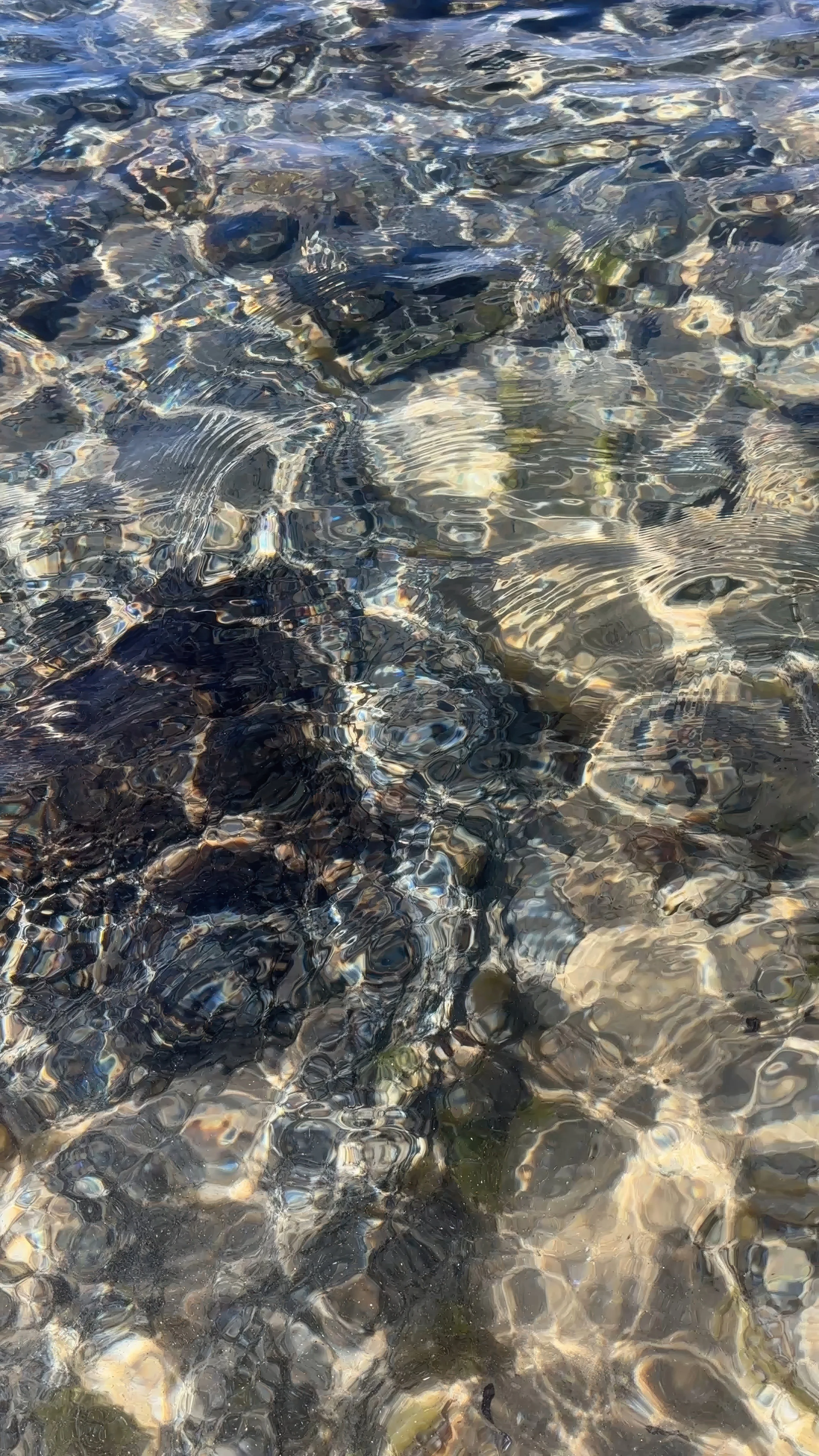
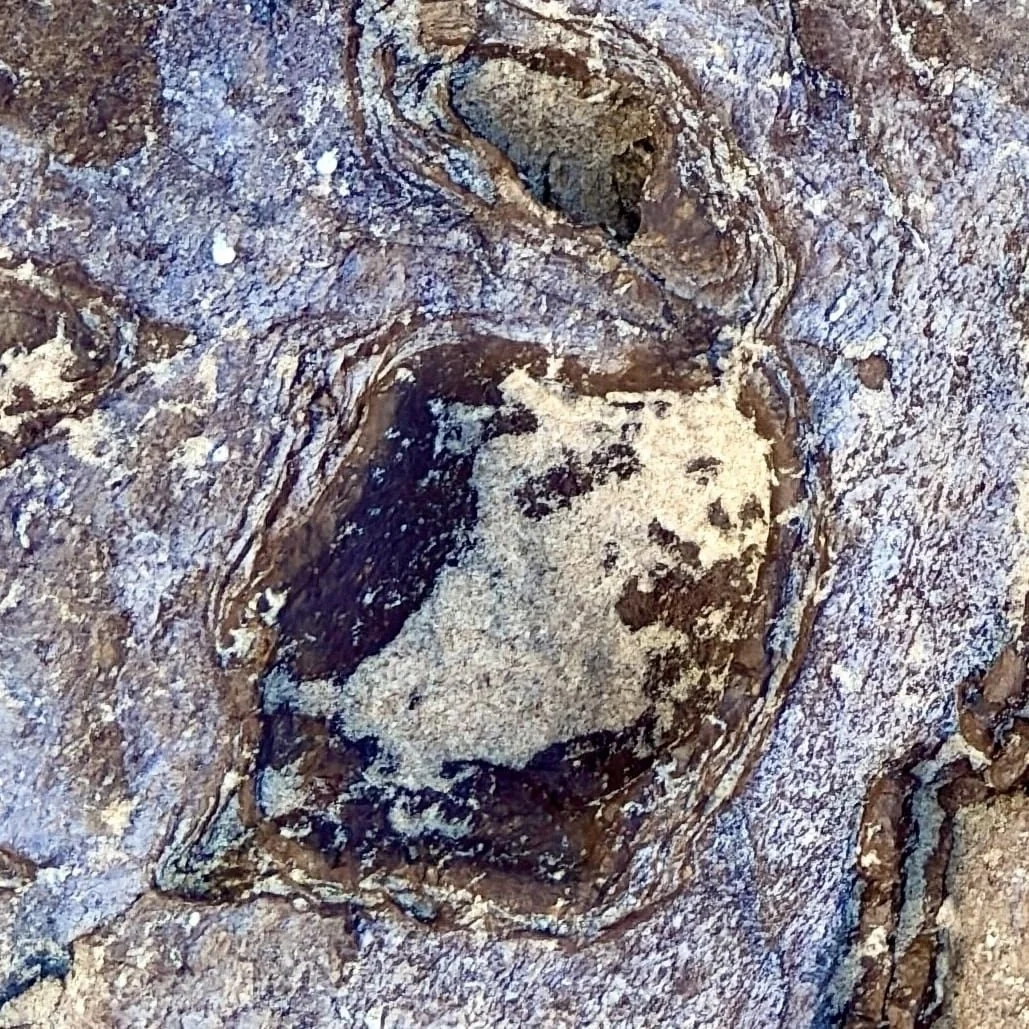
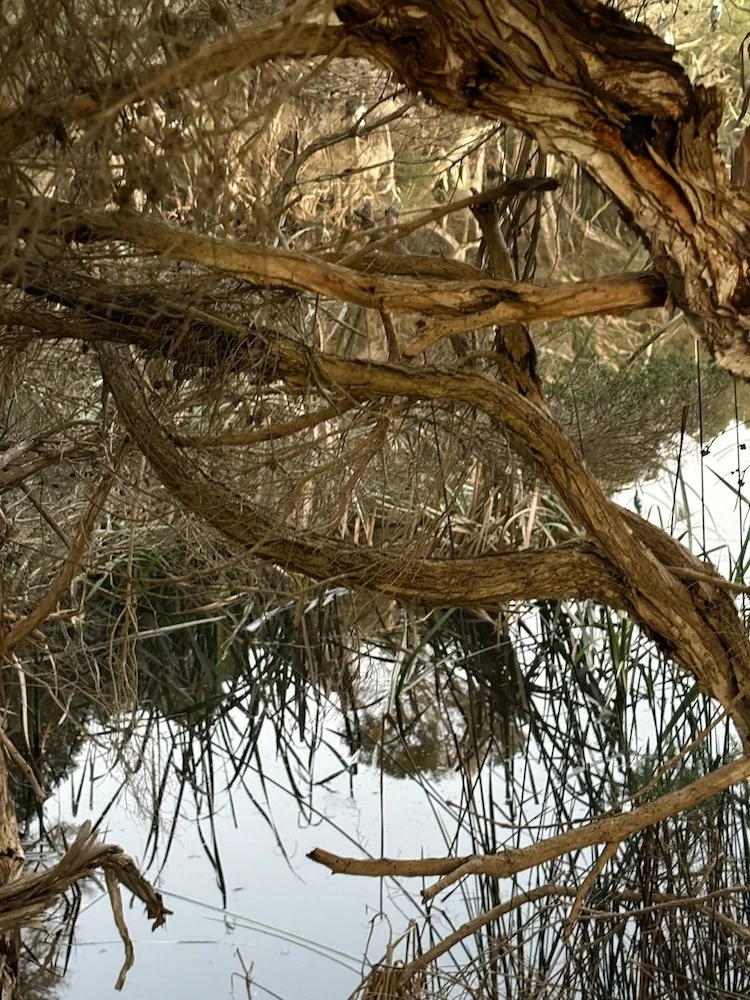
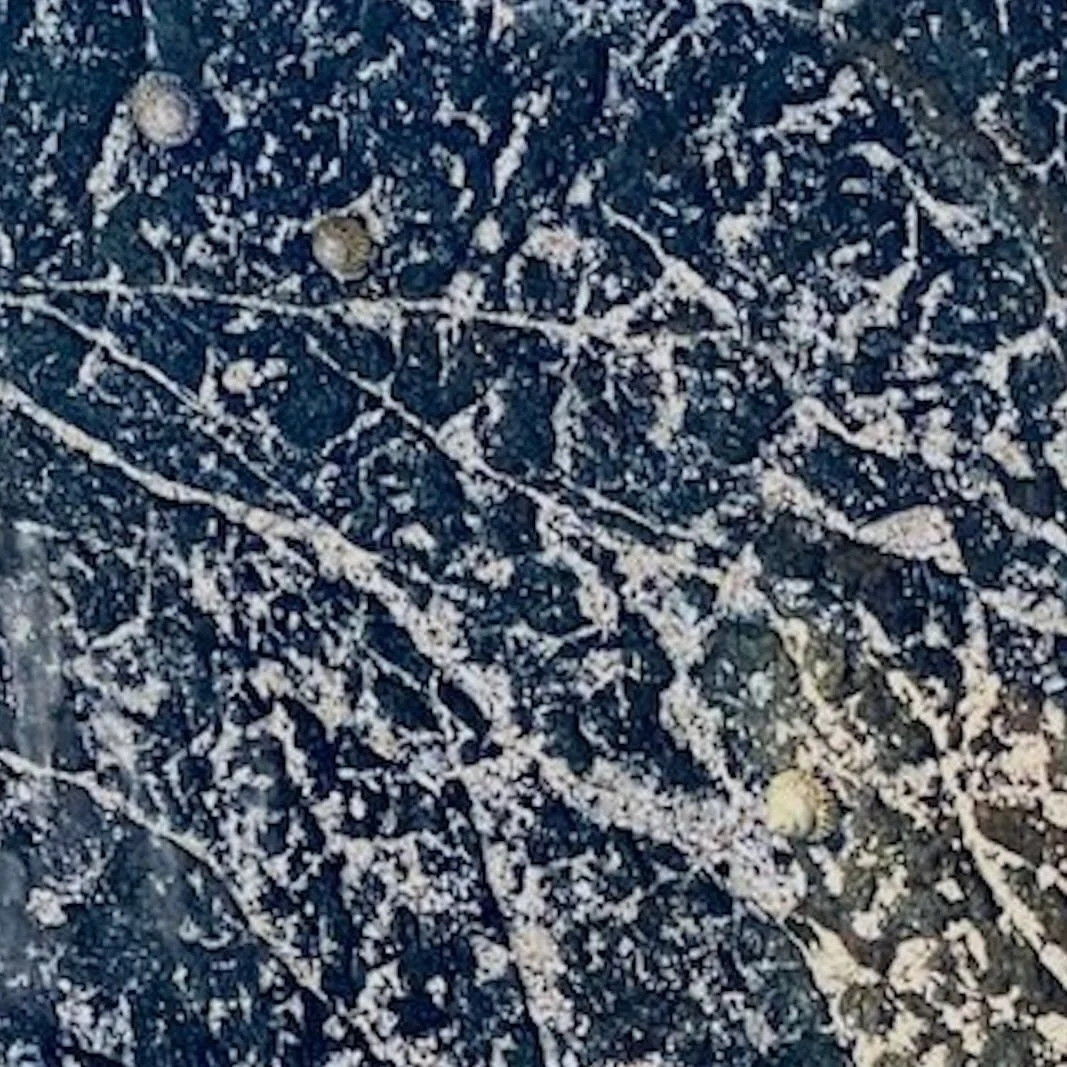
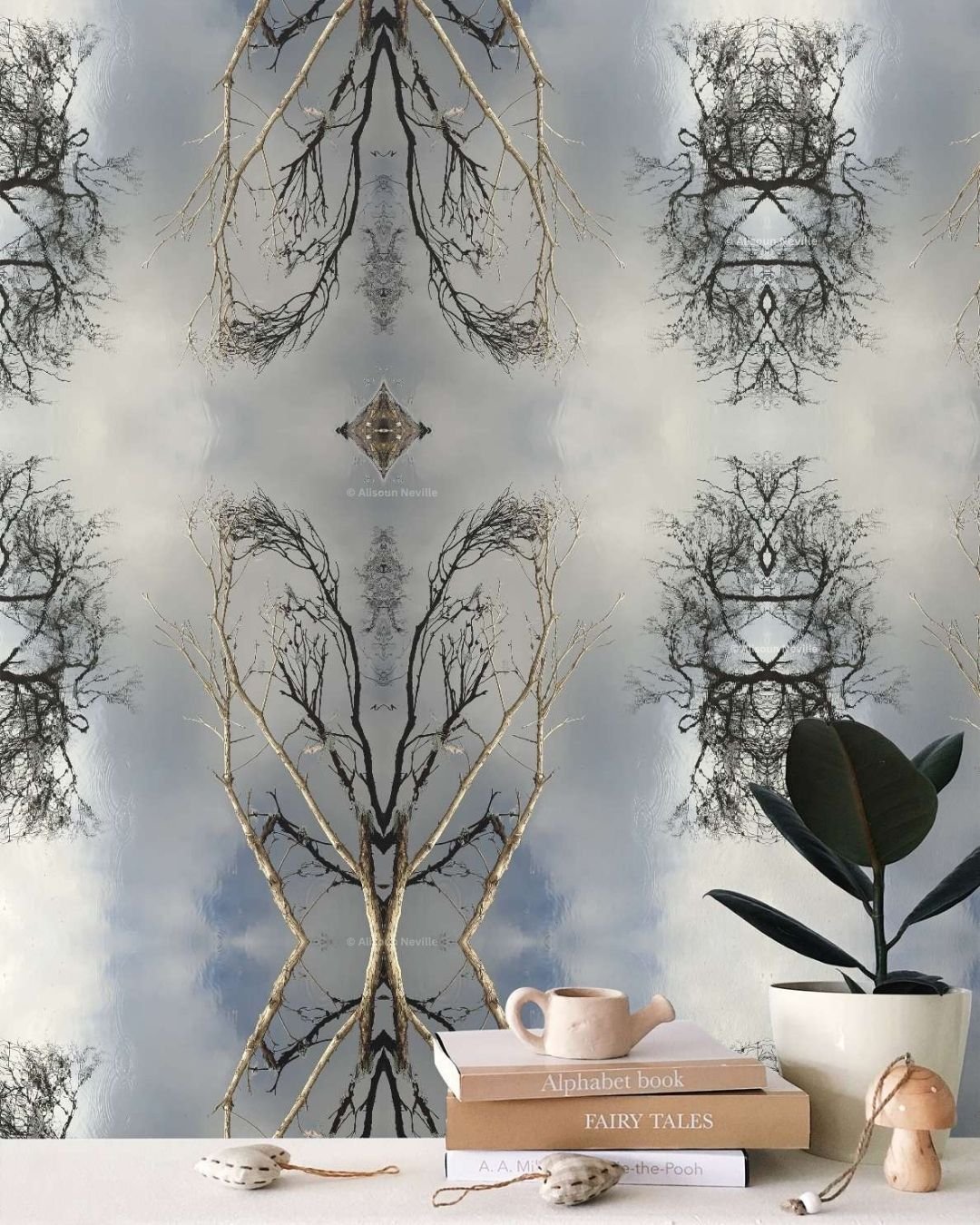
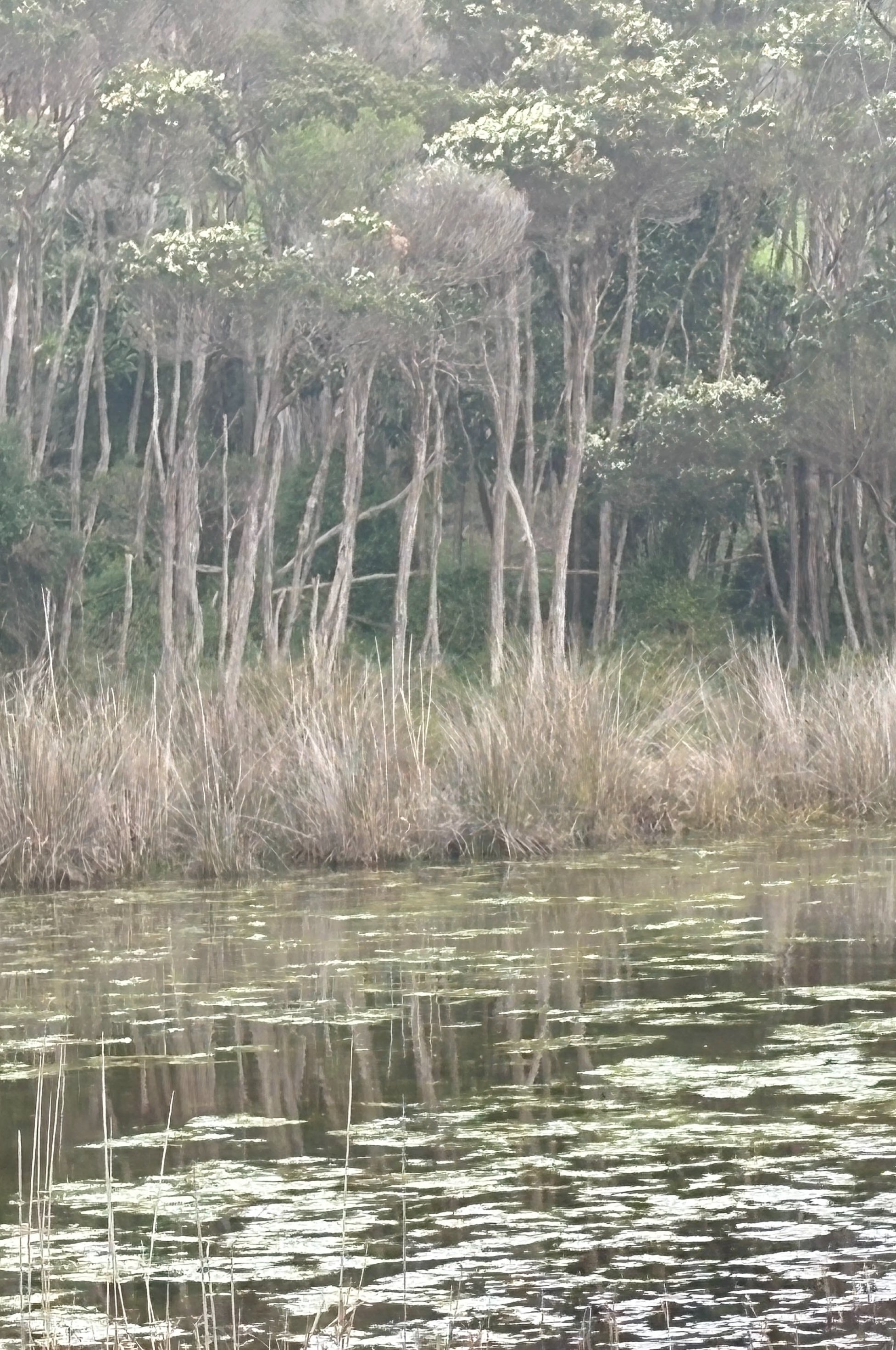
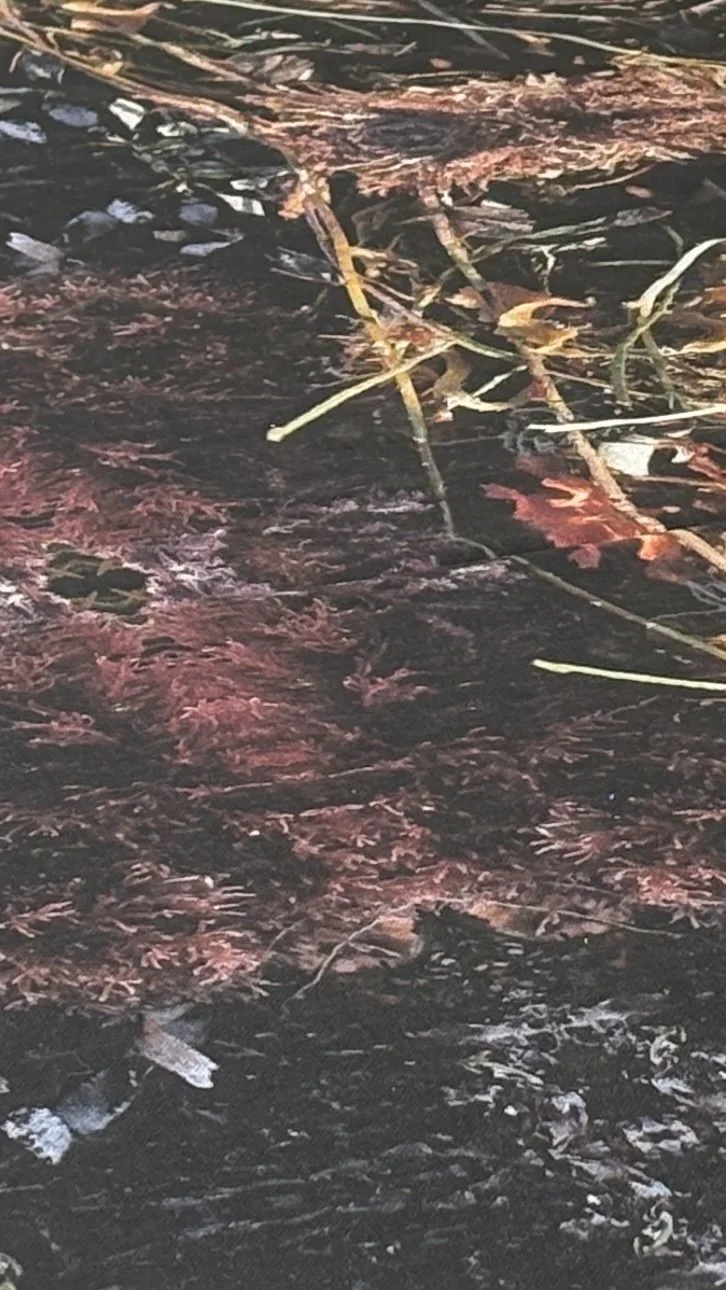
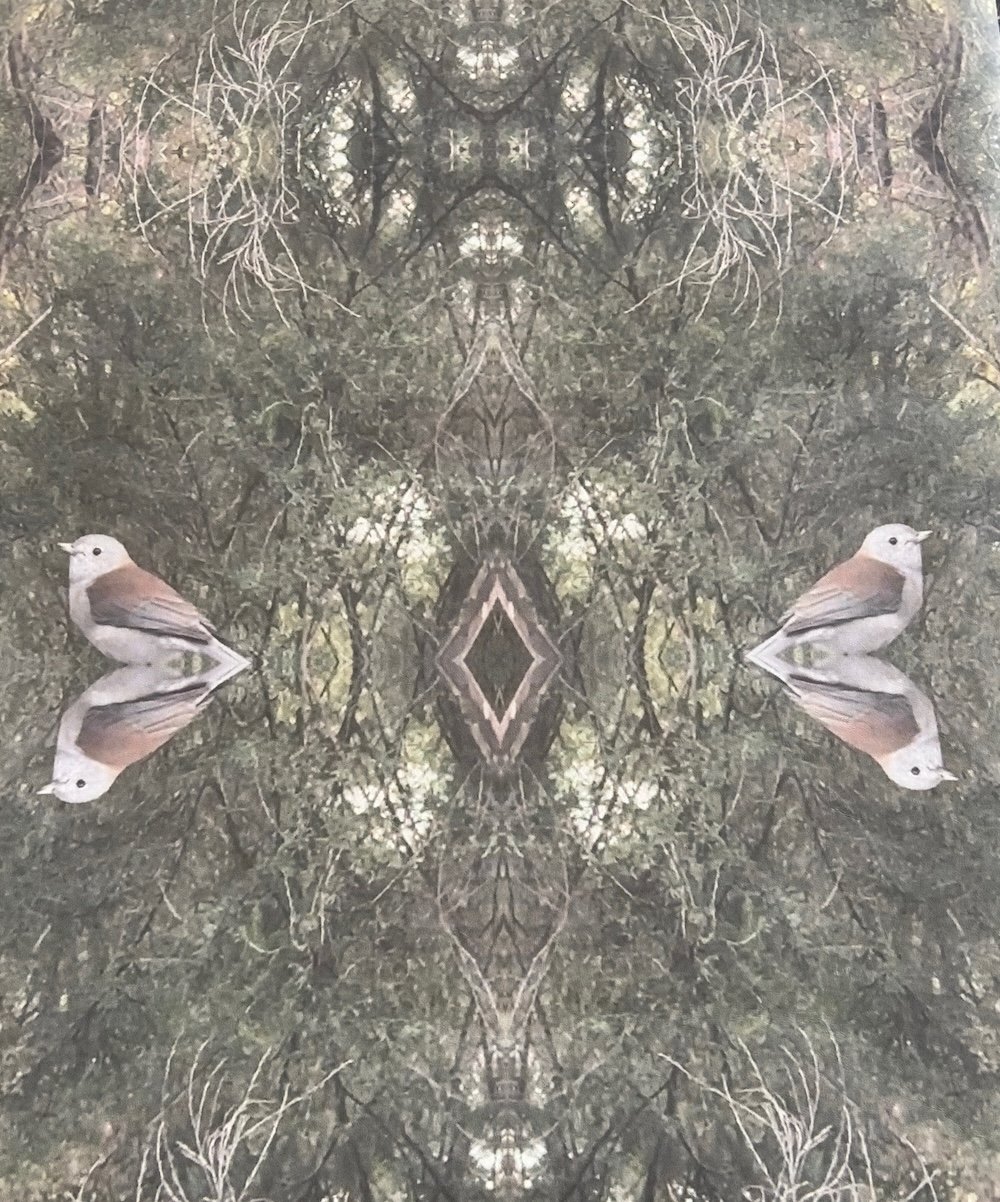
Acknowledging chasmic differences, both individual and cultural, in what we each find beautiful, even from one moment to another, I am drawn to the words of Toni Morrison:
“I think of beauty as an absolute necessity. I don’t think it’s a privilege or an indulgence, it’s not even a quest. I think it’s almost like knowledge, which is to say, it’s what we were born for.”
I wonder if this is because our bodies are the ones entering into the conversation, leading the way with the mind a more humble servant. For those of us struggling with AI as the new cultural master, it is not hard to see it worships at the altar of a disembodied cognition and cannot access the rest. It can generate the appearance of beauty without having entered into an embodied encounter. Perhaps this is why its generation of this so-called beauty, for me, does not yet travel inside.
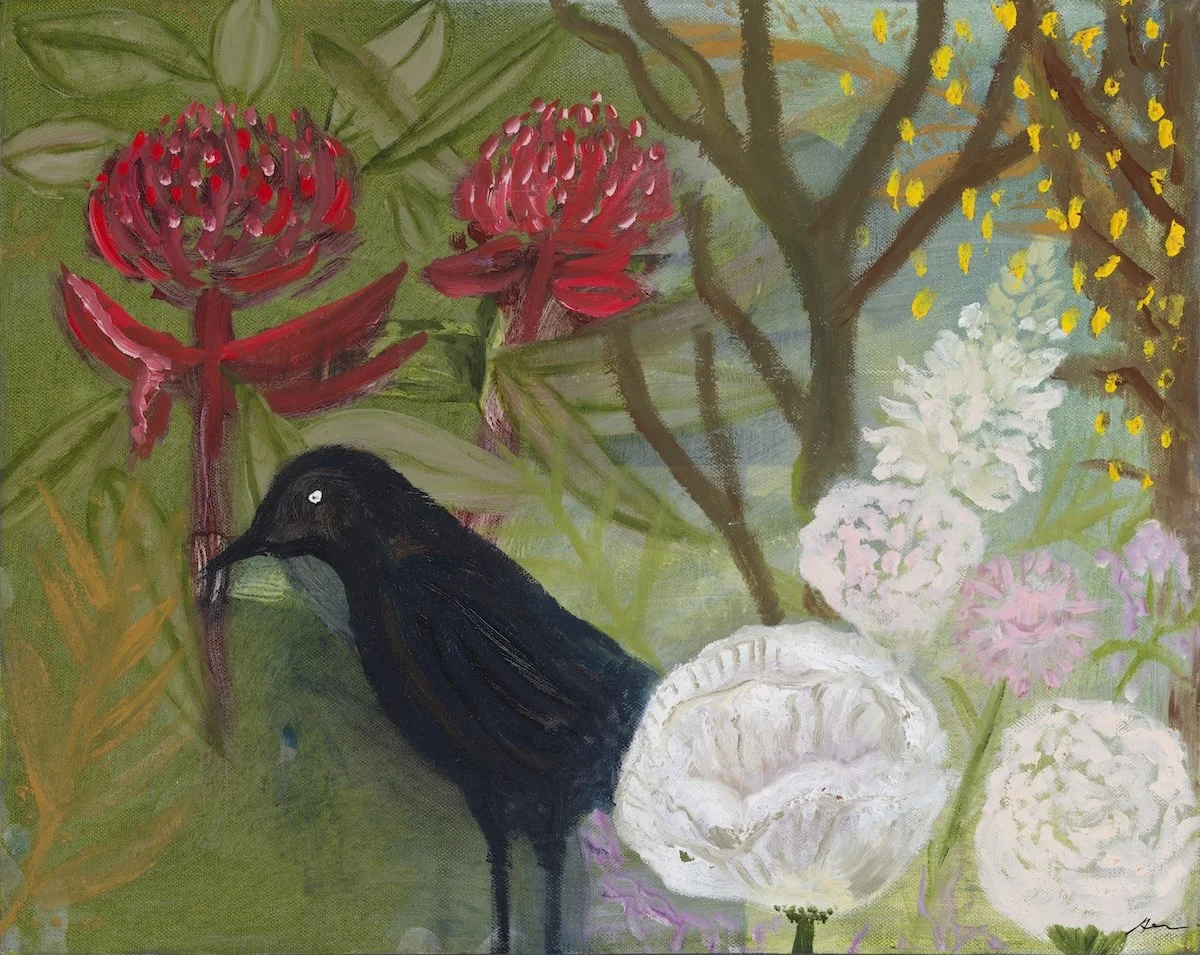
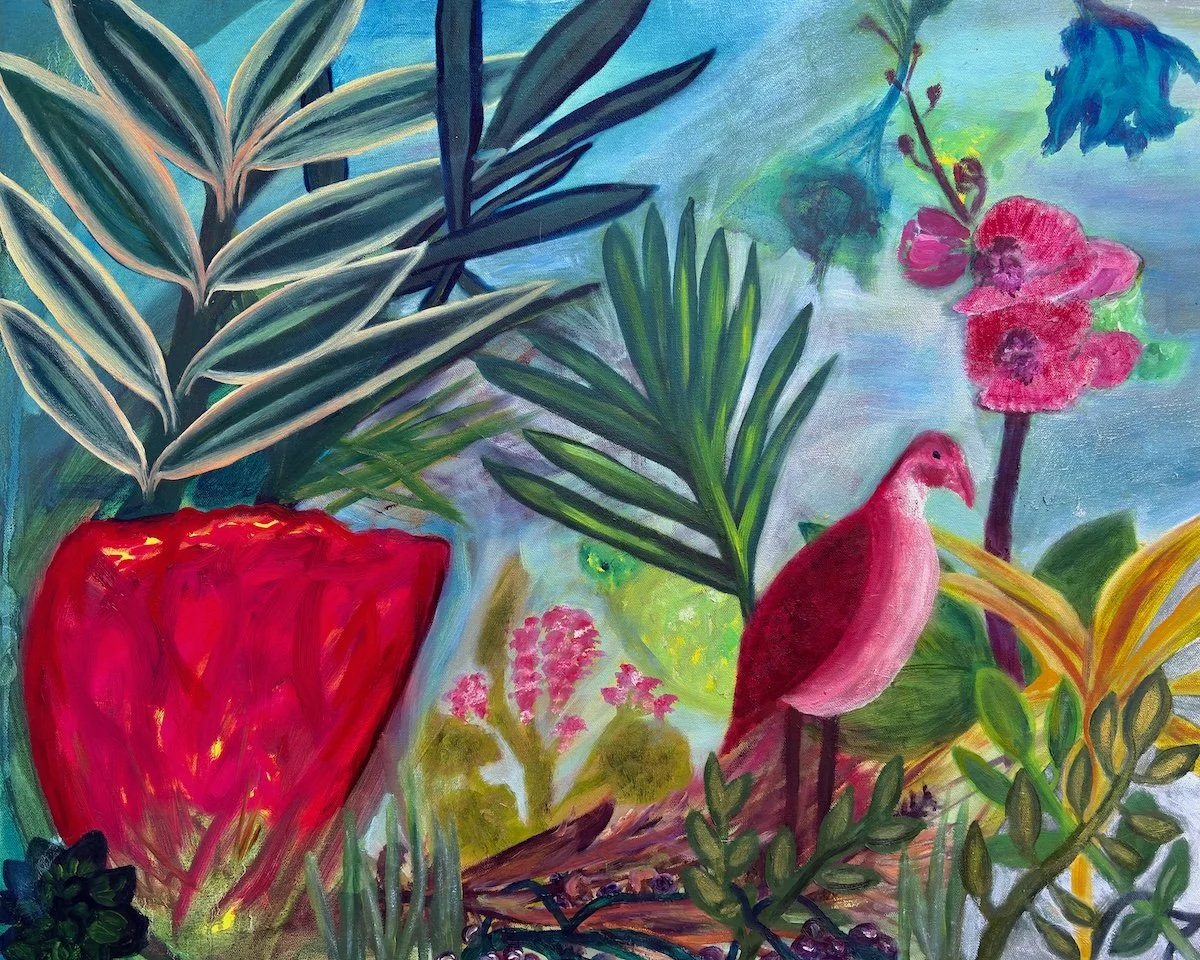
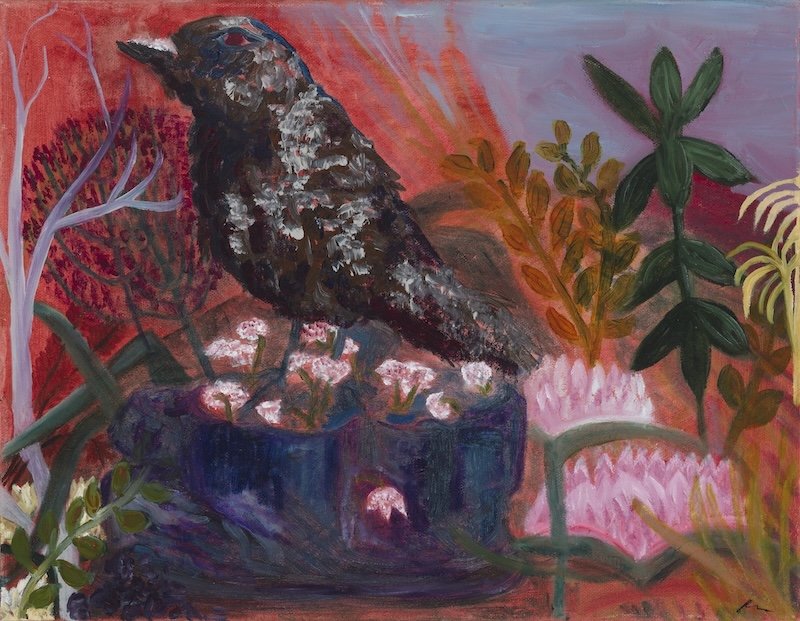
Magic Landing. Oil on Canvas (left).
My painting Still Bird unsettles for me how beauty is seen, and is itself the seer. The same tension is present in Waratahs, while the bird in Magic Landing also faces towards the skies, both grounded on earth and lifted by worlds and possibilities that exceed what can be known.
The more closely I attend to my own embodied experience, the more I encounter that which exceeds explanation. Something felt, sensed, imagined, or intuited before it can be understood. The deepening of presence and awareness, grounded in sensory engagement, gives me access to the not-known and the imagined in ways I find open, generative, and full of rich rewards.
Many of my pieces carry images of birds. I didn’t really plan this, but rather noticed they kept emerging. Birds are many things to me, including holders of sensory beauty — in vision, sound, and I can imagine also touch. But more importantly I notice them as watchers. They can watch me, yes, whether I’m aware of it or not, and if they take to the skies they have a greater and wider view. Some travel long distances and all carry ways of knowing and moments of experience I have no access to. Different worlds and imaginings, not least the sky itself, and imagination, free from the constraints of a specific time and place.
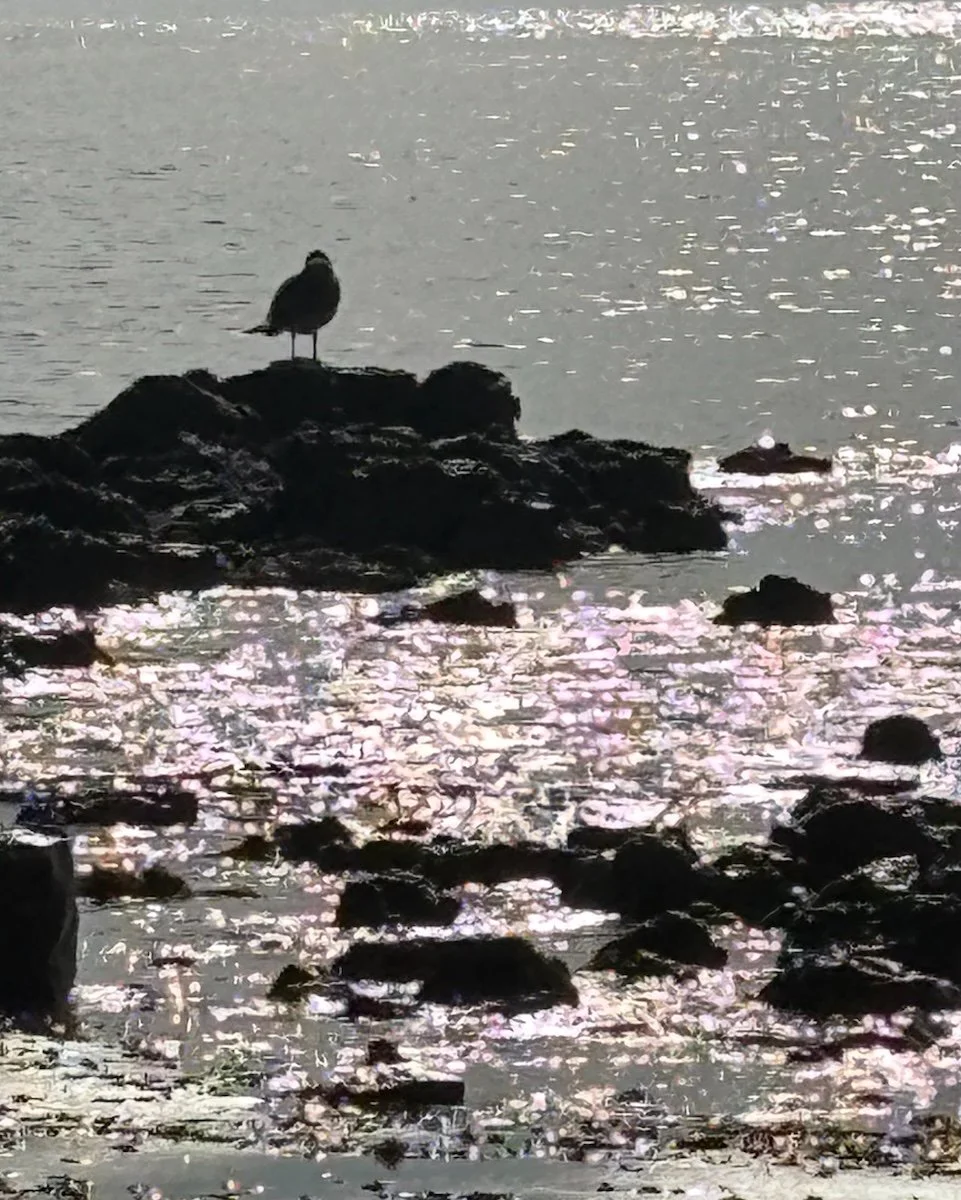
“To be gorgeous, you must first be seen, but to be seen allows you to be hunted.” — Ocean Vuong
The gaze, and beauty, carry the histories and violence of power, and our sensory worlds are already political arrangements. And yet the visceral response is our own. Evoking Rousseau as I do in these paintings deliberately traces a colonial gaze, and positioning the bird as seer is one way of questioning how culture positions the exotic and assumes the right to look. If I sense back to my own embodiment I know a gaze is only welcome within the specificity of relationship, where the senses are open in trust, and not deployed as forms of invasive power or sources of fear.
To allow ourselves to be seen, as Ocean Vuong suggests, is to allow ourselves to be encountered in our full embodied beauty, to be gorgeous. I think of the sounds and shape of a lyrebird’s display, an invited and quite extraordinary encounter among the ferns. Does this choice refuse fear and survival physiology as the primary driving force?
And if the display is for a reproductive function, why does our own embodied response exceed that so fully?
Filling our whole lives, if only briefly.
Thank you for reading. If this reflection resonated with you, I'd love to continue the conversation.
Studio Drifts is my occasional newsletter exploring art, beauty, embodiment and the more-than-human world through essays, studio reflections, new work, and invitations into my creative practice and the landscapes I live with.
My writing is offered freely — there is no paywall, no constant stream of emails, and no obligation to continue.