What is a season?
In titling this piece with a question, I do not promise an answer, but rather invite you to ponder — or better yet, to wonder — what this could be.
Even within the Gregorian calendar, and as I write here from what I call Spring, I may be read by audiences who are otherwise-located — hemispherically, geographically, from outside daylight saving time, across cultures, concepts, attentions. This brings to mind the writing of Tyson Yunkaporta, whose work explores cultural ways of knowing — situating seasonal change within much broader systems of relationship — and long, reaching-to-midnight chats with my somatic astrologer friend Rachel (Plum Ripples). Rachel has taught me to see the world in longer and wider seasons too: the four quarters between Saturn returns, what happened the last time Aries moved through this same sky, and how the turmoil and transitions of personal challenge and loss can be understood — even softened — through the cycles of the planets and their alignments.
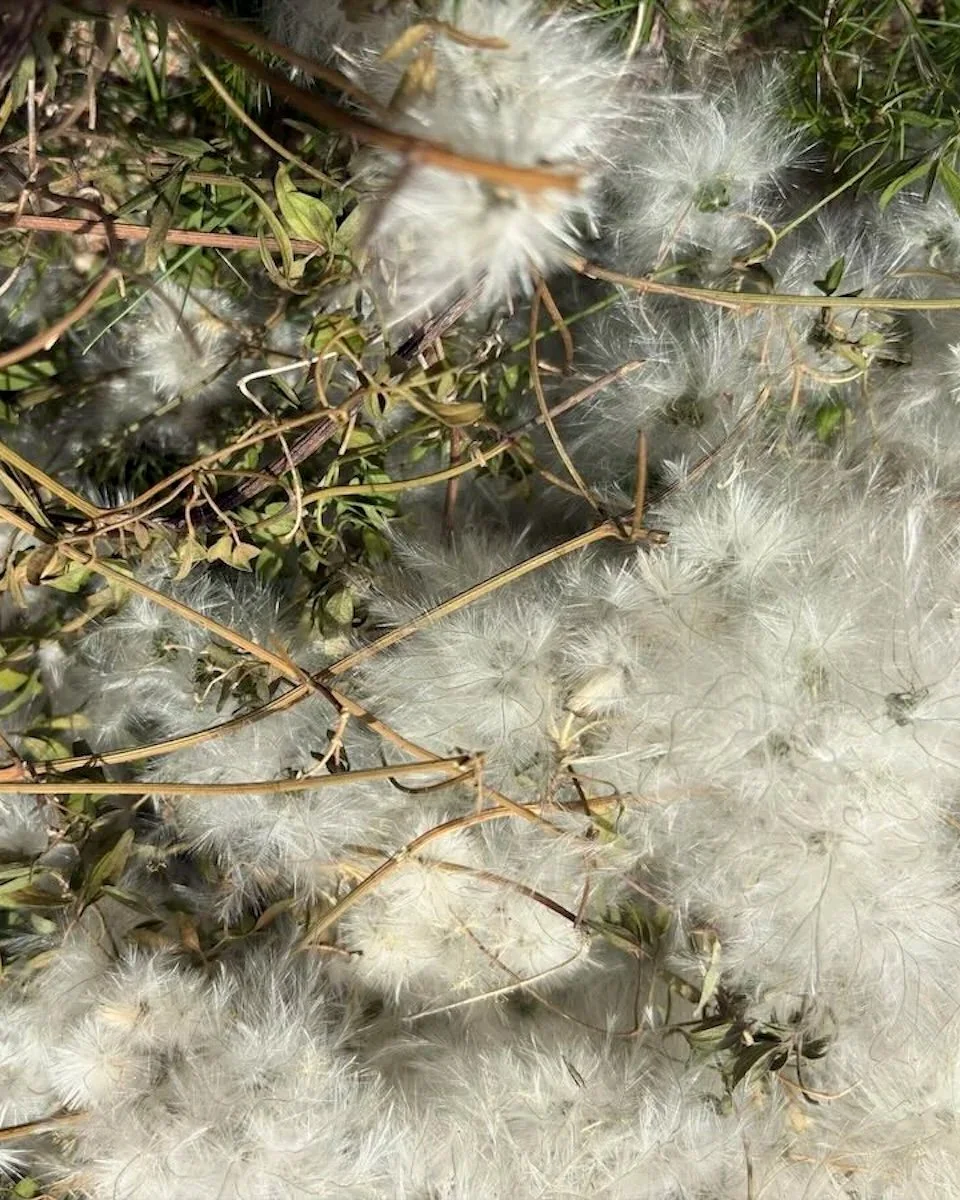
Image 1. Old man’s beard — clematis gone to seed, each fine strand attached to an achene, carried by wind through late spring.
And yet, I love Spring. It heralds the promise of sunshine and smiles, abundant growth, pretty flowers, and longish days. My birthday comes, and then it’s Summer. After my mother died at the beginning of September, I have remembered to smile still — in welcome for her love of the sun too.
This year I enjoyed some spring-like sunshine in August before rains returned in September. I watched the inlet yearn for the sea — coming closer than the previous two winters but only touching once or twice. I see the wetlands on my morning walks filled close to the brink with water, but they are not flooding the road as they were three years ago. I am curious about the seasonal patterns of seaweed, as so many seem in bloom right now, and have wondered if the appearance of small black rocks on the beach can be seasonal too — but on a calendar different to my own.
As a newish gardener I notice new things now — small alignments that mark time differently. After pruning a bush of white flowers in January 2023, I was rewarded this August with hundreds of bees dancing through it every time I left my car. I have patiently waited for the second flowering to pick some large-leaf yellow bush pea and place it in a vase. I pay attention now to patterns — first the white flowers, then jasmine and grevillea, followed by three weeks of three types of native peas — yellow, red, and purple. The red one, a delicate and local ground creeper, is my favourite; it lasts the longest, and is a namesake for my dog. I wished I had time to pick Indigofera Australis while it was flowering, and time for my lilac-flower-loving friend to visit so we could use its dye together. Now the coneflowers have opened and the proteas are coming — in what seems a month late due to the rain.
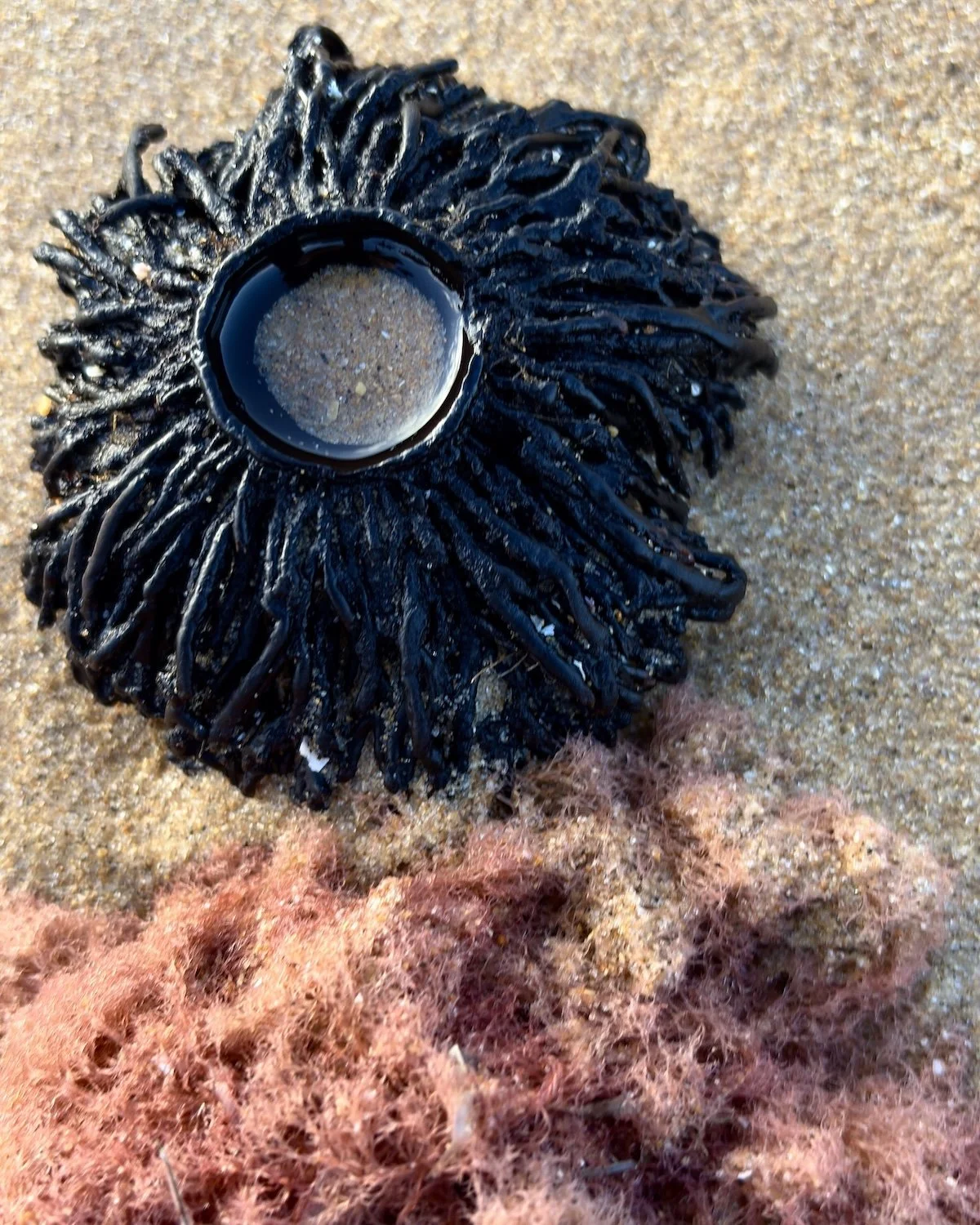
Image 2. Dark Bloom - fine art print from the Drift and Tangle series, exploring light, movement and renewal in the tidal zone.
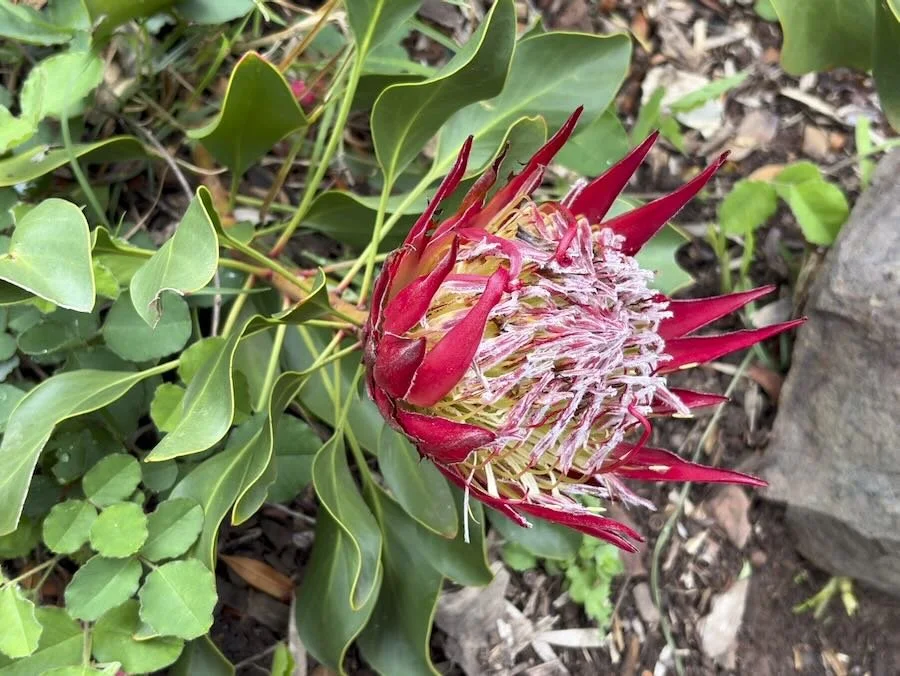
Image 3. Protea in bloom - late arrival, vivid and steady amid the damp spring light
I think of the seasons of our bodies as I step deeper into my fifties and sense the tensions and textures of both youth and age. My peers now listen to their physios and get themselves to the gym, and care more than they did about who they will entrust. Our nervous systems, too, can cycle like tides — opening and contracting, holding and releasing — shaping the stories we live inside.
In my creative process, these are the small shifts that guide me — the way colours emerge through water, or how plants and the earth’s surfaces touch and hold. The work always begins in noticing: what light or movement is asking to be witnessed, what pattern the day offers up. Each painting, each mark, feels like a deepened conversation with the changing seasons of body and place.
Perhaps a season isn’t something that happens around us, but a way we move in relationship — with weather, with place, with the matter of our own becoming.
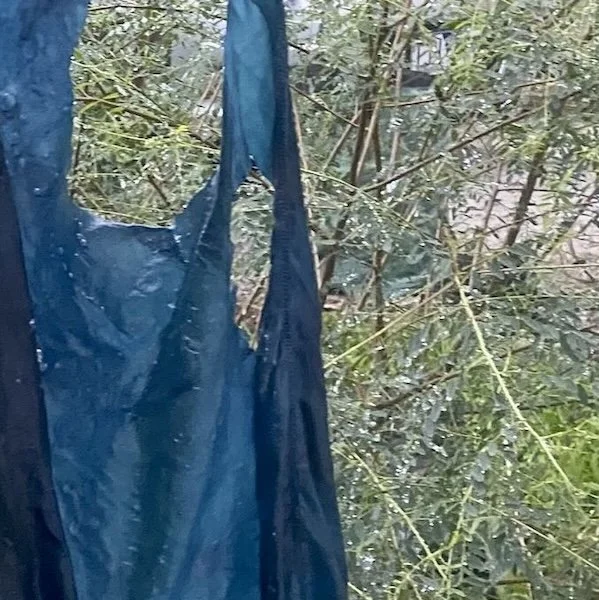
Image 4. Torn silk I dyed in a traditional (Indian) Indigo Vat with the subtle colours of Indigofera Australis (Native Indigo) waiting patiently behind.
🌿 Field Practice – Leaf as Companion
If you’d like to pause with the season, I invite you to choose a fallen leaf and keep it nearby for a day or two — on your desk, kitchen bench, or dashboard. Notice how it changes: the curl, the colour, the quiet movement toward rest. When it feels complete, return it to soil or compost as a small offering of attention.